Why does “chip-resistant” polish still look worn out by day two?
The answer is rarely just the brand-it’s the formula, the brush, the prep, and how the polish bonds to your nail surface.
Choosing long-lasting nail polish means knowing which ingredients, finishes, and application systems actually resist peeling, tip wear, and dullness.
This guide breaks down what to look for before you buy, so your manicure stays glossy, smooth, and chip-free for as long as possible.
What Makes Nail Polish Long-Lasting: Formula, Finish, and Chip-Resistant Ingredients
Long-lasting nail polish starts with a flexible formula, not just a pretty color. Look for chip-resistant nail polish with film-forming polymers, resins, and plasticizers because these help the polish bend with the nail instead of cracking when you type, wash dishes, or open packaging.
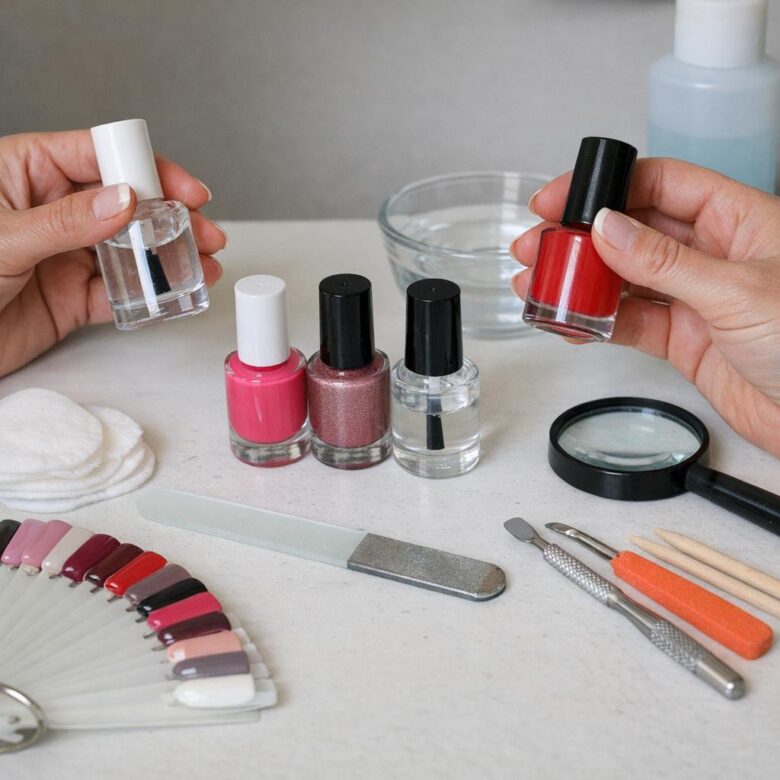
In real salon use, thinner coats usually outlast thick ones because they dry harder and bond better to the nail plate. A good base coat, two thin color coats, and a high-gloss top coat often perform better than one expensive polish applied too heavily.
- Gel-like polish: Gives a salon-quality finish without always needing a UV/LED nail lamp, though true gel polish does require curing.
- Glitter or shimmer finishes: Often wear longer because the particles add texture and grip.
- Matte polish: Looks modern but can show tip wear faster unless sealed with the right matte top coat.
Ingredients such as nitrocellulose create the polish film, while adhesion boosters help color grip the nail. If your manicure chips within a day, the issue may be oily nail beds, skipped nail dehydrator, or a weak top coat rather than the color itself.
For everyday wear, choose professional nail care products labeled “long-wear,” “chip-resistant,” or “gel effect,” and pair them with a reliable top coat from brands sold through retailers like Sally Beauty. This small extra cost can save money by stretching a home manicure from a quick touch-up to several polished-looking days.
How to Choose Chip-Resistant Nail Polish Based on Nail Type, Lifestyle, and Wear Time
The best chip-resistant nail polish is not always the hardest formula; it is the one that matches your natural nails and daily routine. If your nails are thin, peeling, or bend easily, choose a flexible strengthening base coat, such as OPI Nail Envy, before applying color. Hard polish on weak nails often cracks faster because the nail bends underneath it.
For busy hands-typing, cleaning, washing dishes, childcare, or gym workouts-look for long-wear nail polish labeled “gel-like,” “vinyl,” or “high-shine wear,” and always pair it with a quality top coat. A real-world example: someone who works at a keyboard all day may do better with short, rounded nails and a quick-dry top coat than with long square tips, which catch and chip at the corners.
- Soft or brittle nails: Use a ridge-filling base coat, nail strengthener, and avoid thick polish layers.
- Oily nail beds: Clean nails with alcohol or nail dehydrator before polish for better adhesion.
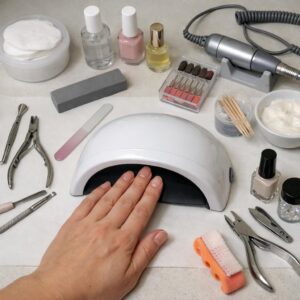
- Long wear needs: Consider salon gel polish with an LED lamp, especially for vacations or events.
If you need 2-4 days of wear, a regular lacquer with base coat and top coat is usually enough. For 7-14 days, a professional gel manicure or at-home gel nail kit offers better durability, though removal cost, nail health, and proper soaking matter. The smartest choice balances wear time, maintenance, and how much stress your nails face every day.
Common Mistakes That Make Nail Polish Chip Faster-and How to Avoid Them
One of the biggest mistakes is applying polish over oily or damp nails. Even a good long-lasting nail polish will lift if there is lotion, cuticle oil, or water trapped on the nail plate, so wipe each nail with acetone or a nail dehydrator before applying base coat.
Skipping base coat is another reason a manicure chips within a day or two. A quality base coat works like primer: it helps polish grip better, prevents staining, and creates a smoother surface for salon-quality nail color.
- Thick coats: Apply two or three thin layers instead of one heavy layer, which takes longer to dry and peels faster.
- Ignoring the nail edge: Seal the free edge with polish and top coat to prevent tip wear, especially if you type, wash dishes, or handle packaging often.
- Using old polish: If the formula is stringy or separated, replace it instead of thinning it repeatedly.
A real-world example: clients who do housework right after a manicure often see chips around the tips first. Wearing gloves for cleaning, using a fast-dry top coat, and reapplying top coat every two to three days can make a noticeable difference.
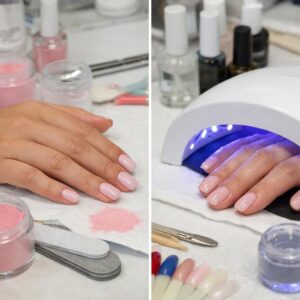
If you use gel nail polish, improper curing is a common problem. Make sure your gel formula is compatible with your UV/LED nail lamp, because under-cured polish may wrinkle, peel, or chip even when the application looks neat at first.
Finally, do not file your nails after polish has dried unless you reseal the edge. Filing breaks the protective top coat layer, which gives water and daily friction an easy place to start lifting the manicure.
Summary of Recommendations
Choosing nail polish that resists chipping comes down to buying with intention, not impulse. Look beyond the shade and prioritize formulas that suit your routine, nail type, and maintenance habits.
The best choice is one that balances durability, application quality, and easy upkeep. If your hands are frequently exposed to water, cleaning products, or typing, invest in a proven long-wear formula and pair it with a reliable base and top coat.
- Choose quality over trend-driven colors.
- Match the formula to your lifestyle.
- Maintain nails properly for longer wear.

Dr. Claire Whitmore is a nail care educator and beauty researcher focused on healthy nail routines, elegant manicure techniques, and coastal-inspired nail artistry. Her work combines practical beauty guidance with refined, everyday nail care.