Are your “perfect” nails quietly causing damage?
Gel and acrylic nails can both deliver a polished, long-lasting manicure-but they affect your natural nails in very different ways.
Gel nails are often praised for their glossy, flexible finish, while acrylics are known for strength, length, and dramatic shaping. The better choice depends on your nail health, lifestyle, budget, and how much maintenance you’re willing to commit to.
Before booking your next appointment, it’s worth understanding the real differences in durability, removal, safety, and long-term nail impact-because the wrong choice can leave your nails weaker than when you started.
What Are Gel Nails and Acrylic Nails? Key Differences for Nail Health
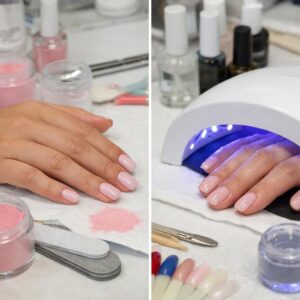
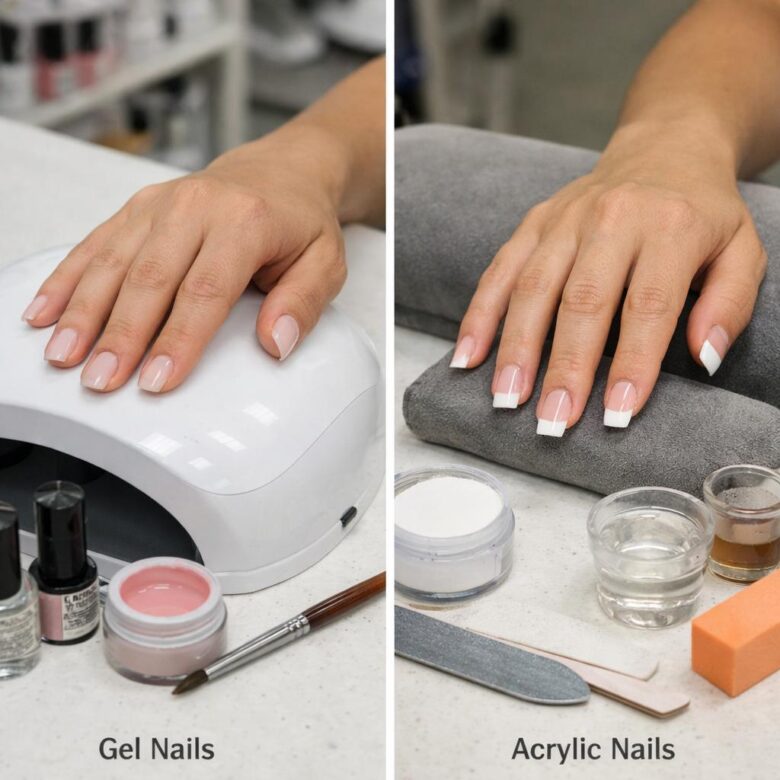
Gel nails are created with a gel-based polish or builder gel that cures under a UV or LED nail lamp, such as the Gelish 18G LED Light. They tend to feel lighter and more flexible, making them a good option if you want a glossy manicure for work, events, or vacations without adding much bulk.
Acrylic nails are made by mixing liquid monomer with acrylic powder to form a firm extension or overlay. They are usually stronger than gel, which is why many nail salons recommend acrylics for long nail extensions, dramatic shapes, or clients who are hard on their hands.
- Gel nails: more flexible, thinner-looking, cured with a UV/LED lamp, often easier for a natural finish.
- Acrylic nails: harder, more durable, shaped with a brush and often refined with an e-file.
- Nail health factor: damage usually comes from poor prep, over-filing, picking, or unsafe removal-not the product alone.
In real salon situations, I often see gel work better for someone with short natural nails who types all day, while acrylic suits someone who wants long almond or coffin nails that can handle more impact. However, acrylic may require more filing during fills, and gel removal can still weaken nails if soaked or scraped aggressively.
For healthier results, choose a licensed nail technician, ask about professional removal cost upfront, and use cuticle oil between appointments. The best choice is the one that matches your lifestyle, nail strength, and maintenance budget.
How to Choose Between Gel and Acrylic Nails Based on Lifestyle, Cost, and Maintenance
If your hands are always busy-typing, cooking, cleaning, lifting weights, or working in healthcare-gel nails usually feel lighter and more flexible. They are a good choice if you want a polished look with less bulk, especially for short to medium nail lengths. Acrylic nails are better if you want extra length, stronger nail extensions, or a more dramatic shape like coffin or stiletto.
Cost matters too. Gel manicures often have a lower upfront price, but they may need more frequent salon visits if your nails chip or lift. Acrylic nails can cost more for a full set, especially with nail art, builder acrylic, or custom shaping, but they are often easier to fill and rebalance during maintenance appointments.
- Choose gel nails if you prefer a natural finish, glossy shine, and easier removal with tools like OPI GelColor systems or professional LED lamps.
- Choose acrylic nails if you need durability, longer extensions, or stronger protection for weak natural nails.
- Avoid both temporarily if your nails are peeling, painful, infected, or recently damaged from aggressive removal.
A real-world example: someone who works at a laptop all day and wants a clean, low-profile manicure may be happier with soft gel. But a bride planning detailed nail art for photos may prefer acrylic because it gives the nail technician more structure to shape and design.
For maintenance, plan around your schedule, not just the look. If you cannot commit to regular fills, safe removal, cuticle oil, and occasional nail repair services, the “cheaper” option can quickly become expensive.
Common Gel and Acrylic Nail Mistakes That Cause Weakness, Lifting, or Breakage
Most nail damage is not caused by gel or acrylic alone; it usually comes from poor prep, rushed removal, or wearing enhancements too long. A common salon mistake is over-filing the natural nail with an electric nail drill, which thins the nail plate and makes future gel manicures or acrylic extensions lift faster.
Another problem is skipping proper dehydration and primer. If oil, lotion, or dust stays on the nail before application, the product cannot bond well, leading to lifting around the cuticle within a few days. In real life, this often happens when someone applies builder gel at home after using cuticle oil, then wonders why the edges start peeling before the week is over.
- Peeling off gel polish: This removes layers of the natural nail and causes splitting.
- Using nails as tools: Opening cans or scraping labels puts pressure on the enhancement and can crack the stress point.
- Ignoring infills: Waiting too long between acrylic fills shifts the balance of the nail, increasing the risk of breakage.
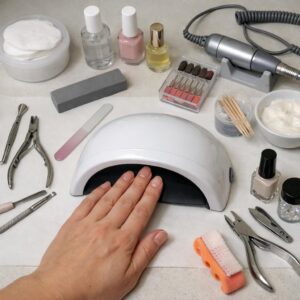
Removal matters just as much as application. Gel polish should usually be removed with acetone wraps, a nail file, and proper timing, while acrylic nails often need careful soaking and shaping with tools like the Makartt Electric Nail Drill when used correctly. If removal feels painful, hot, or aggressive, that is a sign to stop and consider a licensed nail technician service instead of forcing the product off.
The Bottom Line on Gel Nails vs Acrylic Nails: Which One Is Better for Your Nails?
The better choice depends on your priorities, not a universal winner. Choose gel nails if you want a lighter feel, natural-looking shine, and easier flexibility for everyday wear. Choose acrylic nails if you need extra strength, length, or durability for a more dramatic style.
For the healthiest result, focus less on the product and more on proper application, safe removal, and giving your nails occasional recovery time. If your natural nails are weak, peeling, or damaged, consult a skilled nail technician before committing. The best manicure is the one that fits your lifestyle while protecting your nail health.

Dr. Claire Whitmore is a nail care educator and beauty researcher focused on healthy nail routines, elegant manicure techniques, and coastal-inspired nail artistry. Her work combines practical beauty guidance with refined, everyday nail care.