Your manicure shouldn’t damage your nails just to look good for two weeks.
Dip powder and gel nails both promise glossy, long-lasting color-but they work differently, wear differently, and carry different risks for your natural nails.
Gel offers a flexible, salon-polished finish cured under UV or LED light, while dip powder builds strength through layered powder and adhesive. The better choice depends on your nail health, lifestyle, budget, and how safely the manicure is applied and removed.
This guide breaks down the real pros, cons, costs, durability, removal process, and safety concerns so you can choose the manicure that looks great without sacrificing nail health.
Dip Powder Nails vs Gel Nails: Key Differences in Application, Finish, and Wear Time
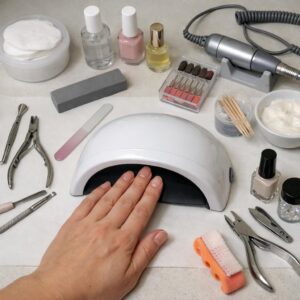
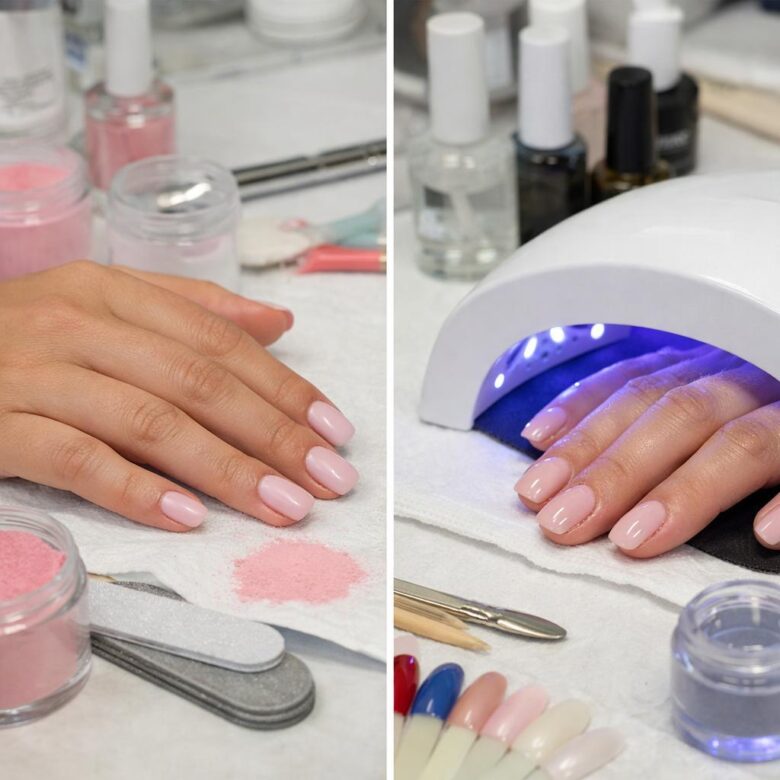
Dip powder nails and gel nails look similar at first glance, but the application process is very different. Dip powder uses a base coat, colored acrylic powder, and an activator to harden the nail without a UV or LED lamp. Gel polish, such as CND Shellac, is brushed on like regular nail polish and cured under a UV/LED nail lamp between coats.
The finish also differs. Gel nails usually have a thinner, glossier, more flexible look, making them a good choice if you like a natural manicure or frequently change colors. Dip powder tends to feel stronger and slightly thicker, which can be helpful for people with weak nails or anyone who types, opens packages, or works with their hands daily.
- Application: Gel requires a curing lamp; dip powder uses powder layers and activator.
- Finish: Gel looks sleek and flexible; dip looks more durable and structured.
- Wear time: Dip often lasts longer, while gel is easier to refresh or remove properly.
In a real salon setting, I often see clients choose gel before vacations or events because it gives a polished, photo-ready shine with less bulk. Dip powder is more popular with clients who want low-maintenance nails for two to three weeks and do not want to worry about chipping as quickly.
One practical tip: removal matters as much as application. Whether you choose dip powder or gel nails, avoid peeling them off at home; using professional acetone wraps, an electric nail file, or a licensed nail technician can help reduce nail thinning and surface damage.
Cost, Maintenance, and Removal: What to Expect Before Choosing Dip or Gel
Dip powder nails usually cost more upfront than a basic gel manicure, especially at a professional nail salon, because the service often takes longer and uses multiple layers of powder, activator, and sealant. Gel nails may be cheaper per visit, but if you choose nail art, builder gel, or strengthening treatments, the total salon cost can climb quickly.
For maintenance, dip powder tends to feel stronger and may suit people who type all day, work with their hands, or want longer wear between appointments. Gel polish is usually thinner and more flexible, making it a good option if you prefer a natural nail look or change colors often.
- Dip powder: better for durability, but regrowth can look obvious after a few weeks.
- Gel nails: easier to refresh, but may chip sooner if applied too thinly.
- Home kits: cheaper long term, but improper removal can damage the nail plate.
Removal is where many people run into problems. Both dip and gel should be soaked off with acetone, foil wraps, cotton pads, and a gentle cuticle pusher-not peeled or forced off with an electric nail drill unless handled carefully by a trained tech.
A real-world example: if you get manicures before vacations, dip may be worth the higher price because it holds up better through luggage handling, sunscreen, and pool water. For regular office wear, gel may be more cost-effective, especially if your salon uses a quality curing lamp like OPI LED Light and applies proper base coat protection.
Nail Health and Safety Risks: How to Prevent Damage, Lifting, and Overexposure
Most nail damage from dip powder nails or gel nails comes from prep and removal, not the product itself. Over-filing the natural nail, peeling off lifted product, or soaking too aggressively can leave nails thin, sore, and prone to splitting.
Lifting usually starts when oil, cuticle tissue, or moisture is trapped under the coating. In a salon setting, I often see this happen when clients apply hand cream right before their appointment or when the nail tech skips proper cuticle cleanup. A dehydrator, thin base layer, and careful sealing around the free edge make a big difference.
- For gel nails: Use the correct curing time and a quality LED lamp such as SUNUV; under-cured gel can increase irritation risk.
- For dip powder: Avoid dipping directly into shared jars; pour powder into a separate tray for better nail salon hygiene.
- For removal: Never pry product off. Use acetone wraps, a gentle nail file, and cuticle oil afterward.
UV exposure from gel manicures is another concern, especially for frequent users. A simple fix is applying broad-spectrum sunscreen to the hands before curing or wearing UV-protective manicure gloves with the fingertips exposed.
If your nails feel hot, painful, itchy, or separate from the nail bed, stop using enhancements and consider seeing a licensed nail technician or dermatologist. For ongoing maintenance, a glass nail file, acetone-resistant remover clips, and a nourishing oil like CND SolarOil are small investments that help protect the natural nail between services.
Summary of Recommendations
Choosing between dip powder and gel nails comes down to your priorities: durability, flexibility, removal habits, and nail health. If you want longer wear and a strong finish, dip may be the better fit. If you prefer a lighter feel, glossy flexibility, and easier design changes, gel is often more practical.
The safest choice is the one you can maintain properly. Avoid peeling, schedule gentle removals, and give damaged nails time to recover. For best results, choose a skilled nail technician, ask about sanitation practices, and match the service to your lifestyle-not just the trend.

Dr. Claire Whitmore is a nail care educator and beauty researcher focused on healthy nail routines, elegant manicure techniques, and coastal-inspired nail artistry. Her work combines practical beauty guidance with refined, everyday nail care.