What if your weak, peeling nails are not “bad genetics” – but a sign your daily habits are working against them?
Strong, healthy nails start long before you apply polish or reach for a strengthening treatment. Hydration, nutrition, gentle care, and protection from harsh chemicals all play a bigger role than most people realize.
The good news: you do not need expensive salon treatments to improve brittle, slow-growing, or easily damaged nails. With the right at-home routine, you can support natural nail growth and build nails that look cleaner, smoother, and stronger over time.
This guide breaks down practical, science-backed ways to grow healthier nails naturally – using simple habits you can start today.
What Healthy Nail Growth Requires: Nutrition, Hydration, and Nail Structure Basics
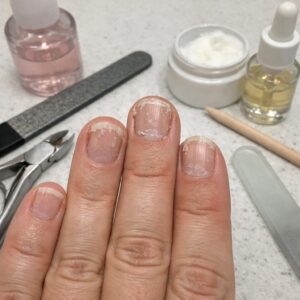
Healthy nail growth starts under the skin, not at the nail tip. The visible nail plate is made mostly of keratin, so once it becomes thin, peeling, or split, the real goal is to protect new growth while reducing damage from water, harsh nail polish remover, and aggressive filing.
Nutrition matters because nails are a “slow signal” of your overall routine. In real life, I often see brittle nails in people who skip protein at breakfast, rely on frequent gel manicures, or wash their hands all day without using cuticle oil afterward.
- Protein: Include eggs, fish, Greek yogurt, beans, or lean meat to support keratin production.
- Iron, zinc, and B vitamins: Low intake may contribute to weak, ridged, or slow-growing nails, so consider a balanced diet before buying expensive nail supplements.
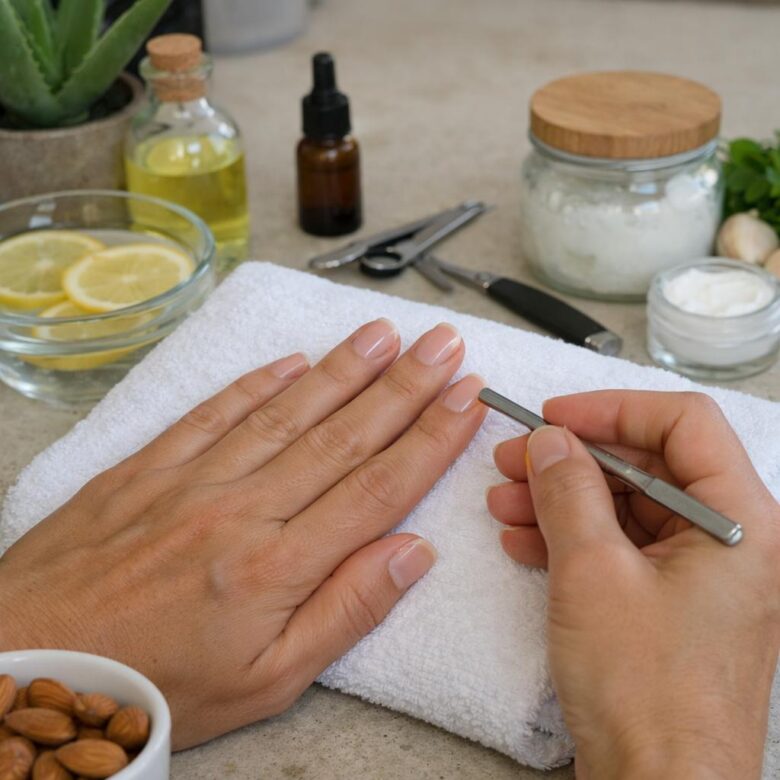
- Healthy fats: Avocado, olive oil, nuts, and salmon help support skin and cuticle flexibility.
Hydration is about more than drinking water. Nails absorb and lose moisture quickly, so repeated wet-dry cycles can cause peeling; applying cuticle oil or a fragrance-free hand cream after washing is a simple, low-cost habit with real benefits.
A practical example: keep a small cuticle oil pen beside your sink or laptop and use it after handwashing or sanitizer. A gentle tool like a Tweezerman Glass Nail File can also reduce rough edges that turn into breaks, especially compared with coarse emery boards.
If your nails suddenly change color, lift from the nail bed, or become painful, home nail care is not enough. In that case, booking a dermatologist visit is smarter than spending more on nail strengtheners, fungal nail treatments, or salon repair services.
How to Build an At-Home Nail Care Routine That Prevents Breakage and Peeling
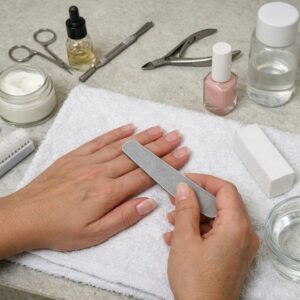
A strong nail care routine starts with reducing daily damage, not adding more products. Keep nails at a practical length, shape them once a week with a fine glass file, and file in one direction to prevent tiny splits from traveling up the nail plate. A tool like a Tweezerman glass nail file is a worthwhile upgrade because it creates a smoother edge than cheap emery boards.
After washing dishes, cleaning, or using hand sanitizer, apply cuticle oil followed by a hand cream with glycerin, shea butter, or ceramides. This seals in moisture and helps prevent the dry, layered peeling many people notice in winter or after frequent gel polish removal. For example, someone who types all day and washes their hands often may need oil at lunch and again before bed, not just during a weekly manicure.
- Daily: Use cuticle oil, hand cream, and gloves for cleaning chemicals.
- Weekly: Trim, file gently, and buff only if the surface is rough.
- As needed: Use a nail strengthener, but avoid hardeners with formaldehyde if your nails are already brittle.
Choose an acetone-free nail polish remover for regular use, and give nails a short break between gel manicures if they feel thin or sensitive. If peeling continues despite better home care, a dermatologist can check for issues like iron deficiency, thyroid changes, or fungal nail infection. That step can save money on products that will not fix the real cause.
Common Nail-Damaging Habits to Avoid for Stronger Natural Nails
Strong natural nails often depend as much on what you stop doing as what you apply. One of the biggest mistakes is using nails as tools-opening cans, scraping labels, or picking at packaging can create tiny splits that later turn into peeling or painful breaks.
Another common issue is aggressive gel polish removal. Peeling off gel, dip powder, or acrylic nails may seem harmless in the moment, but it can pull away layers of the natural nail plate; if you remove polish at home, use proper acetone wraps, a gentle buffer, and a quality nail file such as OPI or a fine-grit glass file.
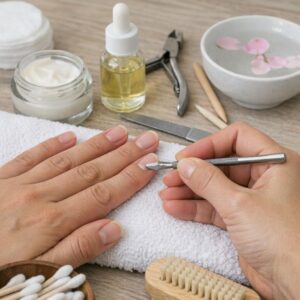
- Avoid cutting cuticles; gently push them back after a shower and apply cuticle oil instead.
- Skip harsh metal tools under the nail, which can separate the nail from the nail bed.
- Wear gloves when washing dishes or using cleaning products to reduce water damage and chemical exposure.
In real life, I often see nails improve simply when someone stops washing dishes bare-handed every night. Repeated soaking followed by drying makes nails expand and contract, which weakens them over time, especially if you already use nail polish remover or salon manicure services regularly.
Also be careful with over-buffing and frequent “hardening” treatments. Some nail strengthener products help brittle nails, but formulas with too much formaldehyde-like hardener can make nails rigid and more likely to snap, so choose a balanced nail care product and give your nails polish-free breaks when needed.
Wrapping Up: How to Grow Strong, Healthy Nails Naturally at Home Insights
Strong nails are built through consistency, not quick fixes. If your nails are brittle, peeling, or slow to grow, start with the basics: protect them from harsh chemicals, keep them moisturized, eat enough protein and key nutrients, and avoid over-processing with gels or acrylics.
Practical takeaway: choose one or two habits you can maintain daily rather than chasing every remedy. If nail changes include pain, discoloration, deep ridges, or sudden weakness, it is best to seek professional advice. Healthy nails should improve gradually with steady care.

Dr. Claire Whitmore is a nail care educator and beauty researcher focused on healthy nail routines, elegant manicure techniques, and coastal-inspired nail artistry. Her work combines practical beauty guidance with refined, everyday nail care.